Oklahoma City has a history shaped by resilience, growth, and the strong spirit of its people. From its beginnings during the 1889 Land Run to its transformation into a thriving metropolitan center, the city’s past is filled with stories that reflect the diversity and determination of the region. Understanding this history adds depth to every visit, helping travelers appreciate the cultural and economic forces that shaped today’s Oklahoma City.
Oklahoma City began with one of the most dramatic events in American settlement history, the Land Run of 1889. On April 22, nearly 50,000 settlers rushed into the Unassigned Lands to claim property. By sunset, a bustling tent city had formed, setting the stage for rapid development. This moment remains central to the city’s identity, symbolizing opportunity, ambition, and the pioneering spirit.
Following its sudden founding, Oklahoma City grew quickly thanks to the arrival of major railroads and early industries. Businesses, banks, and manufacturing centers developed around the downtown core, establishing OKC as a key economic hub in the region. The discovery of oil in the early 20th century accelerated the city’s growth even further, transforming it into a major energy center. New buildings, cultural institutions, and transportation networks expanded alongside this economic boom.
As the city grew, communities from a range of backgrounds contributed to its cultural landscape. Neighborhoods developed around places of worship, schools, and local businesses, creating a strong sense of identity across different parts of the city. The emergence of arts, music, and civic organizations strengthened community bonds, helping shape the vibrant cultural environment Oklahoma City is known for today.
A defining moment in Oklahoma City’s modern history occurred on April 19, 1995, with the bombing of the Alfred P. Murrah Federal Building. The tragedy deeply affected the entire nation, but the response of the community showed extraordinary unity and strength. The Oklahoma City National Memorial & Museum now stands as a tribute to the victims, survivors, and rescuers, and remains one of the most important places to understand the city’s resilience.
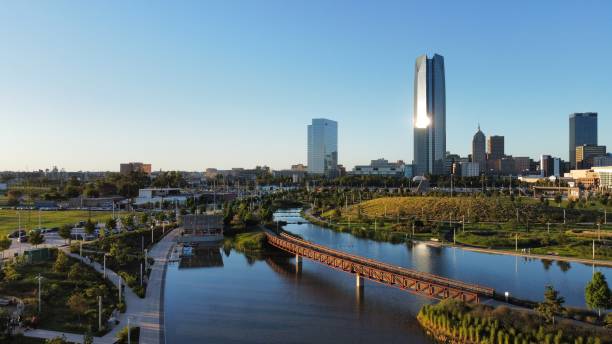
In recent decades, Oklahoma City has undergone a major revitalization. Investments in downtown development, public parks, the streetcar system, entertainment districts, and new residential areas have transformed the city into a modern, livable urban center. Bricktown, Scissortail Park, the Myriad Gardens, and the expanding skyline reflect this renewed energy and commitment to growth. The city continues to evolve while honoring its historical roots and cultural heritage.
Exploring the history of Oklahoma City often means visiting multiple neighborhoods, museums, and landmarks across the city. If you or someone you’re with experiences a vehicle issue, such as a flat tire, lockout, or other roadside problem, help is available with just a call. Towing Company OKC offers dependable services throughout the area, ensuring drivers can get timely assistance from a trusted local team whenever it’s needed.
To explore more experiences around the city, you can also read our guide on top things to do in Oklahoma City.